

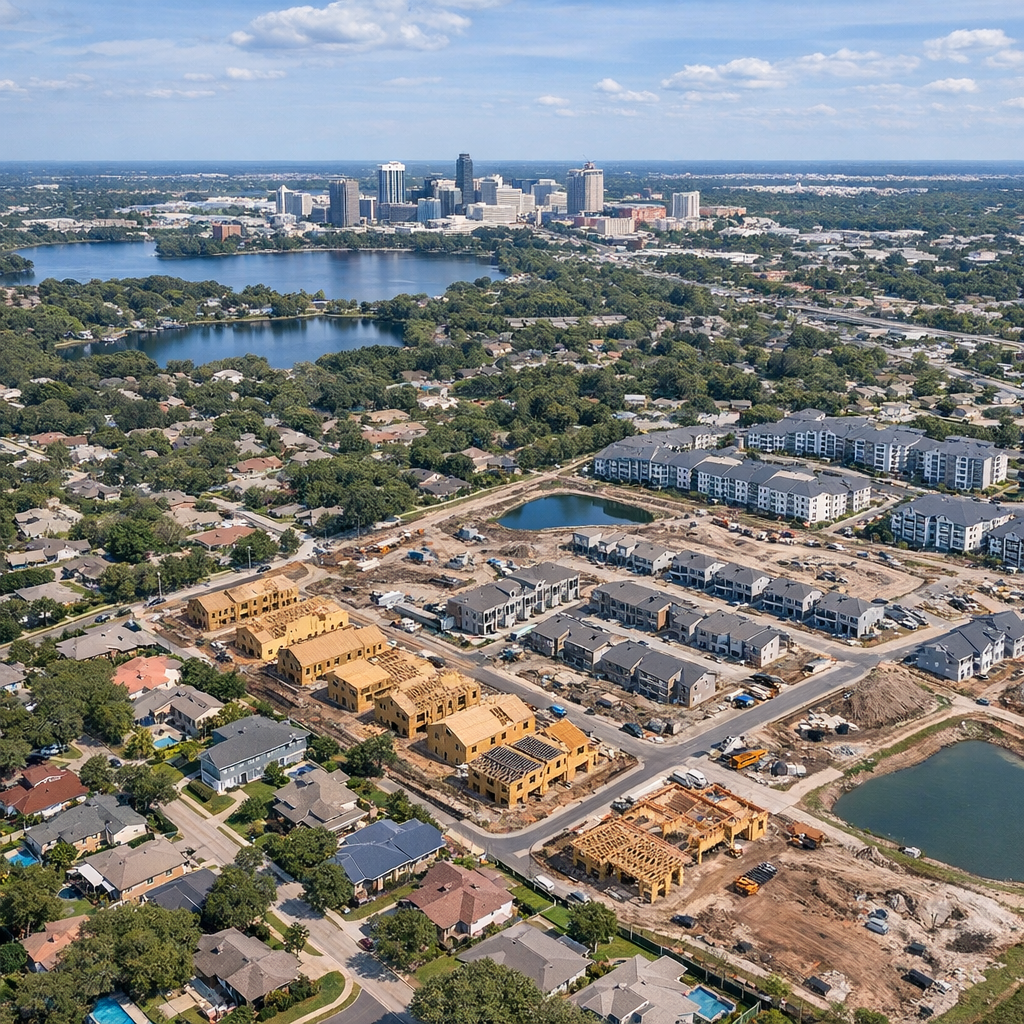
Orlando is grappling with a significant housing affordability crisis, as many residents find themselves allocating more than half of their income toward housing expenses. This situation has been exacerbated by rapid population growth and escalating housing costs, leaving numerous individuals and families in precarious financial positions.
Current Housing Landscape
In recent years, the wealth gap in the Orlando metropolitan area has widened by 23%, with the highest-earning households now earning over 11.4 times more than the lowest-earning ones. Despite these income disparities, housing costs remain relatively uniform, placing a disproportionate burden on lower-income residents. Consequently, over 155,000 homeowners are dedicating more than half of their income to housing, with renters facing even greater challenges.
City Initiatives and Investments
Recognizing the urgency of this issue, the City of Orlando has committed over $40 million in the past five years to develop and rehabilitate quality housing units accessible to residents across all income levels. These investments aim to alleviate the financial strain on vulnerable populations and promote equitable housing opportunities.
Community Impact and Ongoing Efforts
The housing affordability crisis has far-reaching implications, affecting residents’ quality of life and the overall economic health of the region. To address these challenges, the city is collaborating with various stakeholders to implement policies that protect workers’ wages, prevent discriminatory practices, and empower all individuals—regardless of race, gender, or economic status—to improve their living conditions.
As Orlando continues to grow, it remains imperative for the community to prioritize housing affordability and work collectively toward sustainable solutions that ensure all residents have access to safe and affordable housing.